

Don’t Take the Bait: Tips for Identifying Phishing Attempts in Your Inbox
. Stay safe online and learn how to spot phishing attempts in your inbox. Here are some tips to help you identify and avoid them. #phishing #cybersecurity






. Stay safe online and learn how to spot phishing attempts in your inbox. Here are some tips to help you identify and avoid them. #phishing #cybersecurity

Learn how a brute force method of password hacking works and how hackers use it to gain unauthorized access to personal accounts and sensitive data. In this article, we’ll discuss the step-by-step process and how to stay protected. #passwordsecurity #cybersecurity

Don’t get hacked! Secure your passwords today with these 5 easy steps.

Learn how to create strong and memorable passwords to keep your information secure. Crafting a secure password involves using a combination of letters, numbers, and symbols while avoiding personal information. Keep your passwords different for each account, store them safely, and use two-factor authentication for extra security.

Think your password is strong enough? Think again! Learn how to test its security and protect your online accounts from hackers.

Learn why using the same password for multiple accounts is dangerous & how to set up strong passwords to protect yourself from cybercrime. Discover the consequences of password reuse and how two-factor authentication and password managers can help you secure your accounts.

A long and safe password is valuable. Shorter passwords may be broken in minutes, a longer password takes longer attacks or faster methods to crack a password


Passwords need to be strong enough so they cannot be easily guessed, but you want them to be memorable enough that you can recall them when you need them

Learning that your password has been compromised is concerning, but there are steps you can take to protect your personal and financial information. Here’s a consolidated list of actions to take:
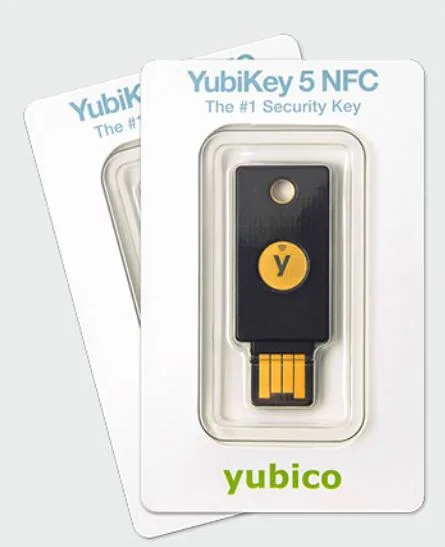
Secure your accounts with two-factor authentication. Find out why you should use it now!
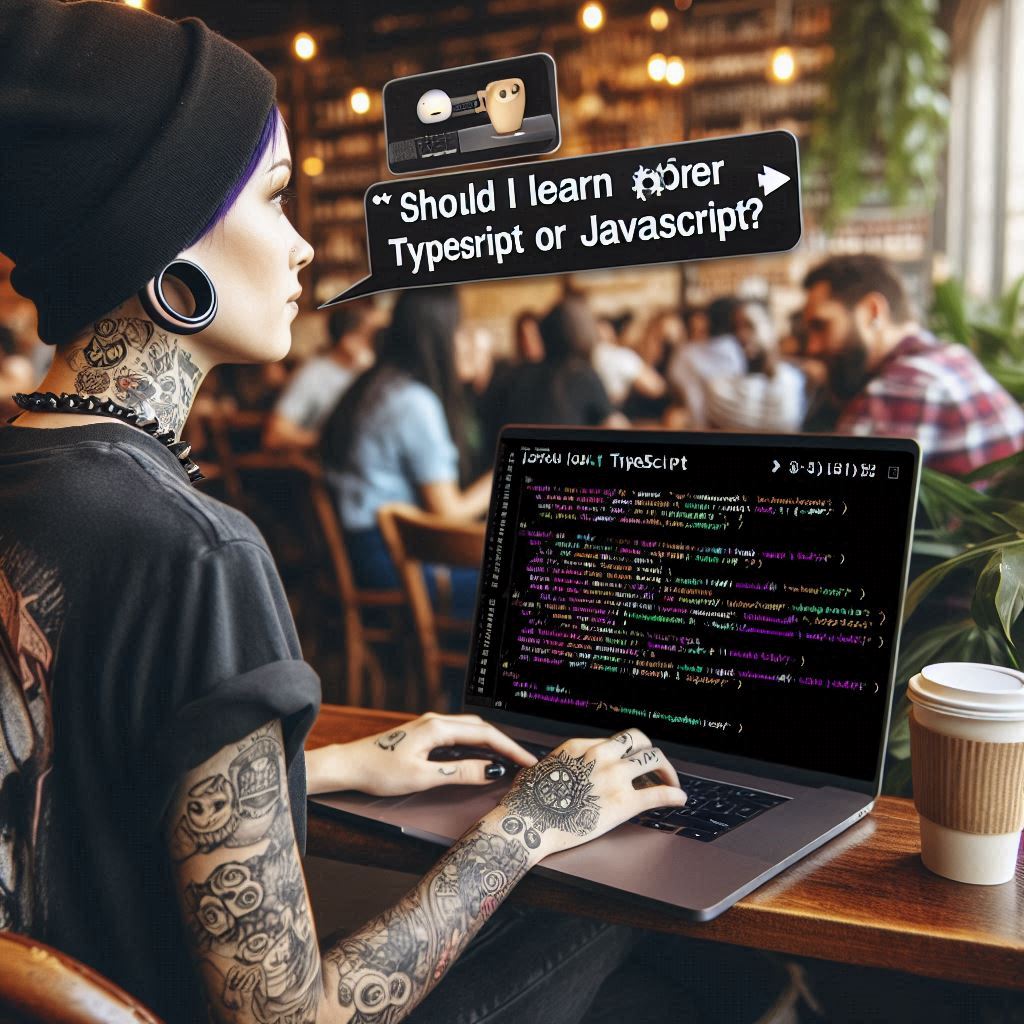
Programming plays a crucial role in cybersecurity. Knowing how to code allows cybersecurity professionals to understand vulnerabilities, develop effective defenses, and anticipate attackers’ strategies. Different roles within cybersecurity may require proficiency in various programming languages. For instance, malware analysts might need C for analyzing malicious code, while network security architects could benefit from Lisp for network defense.